Wholesale Curdlan Powder CAS 54724-00-4
What Is Curdlan?
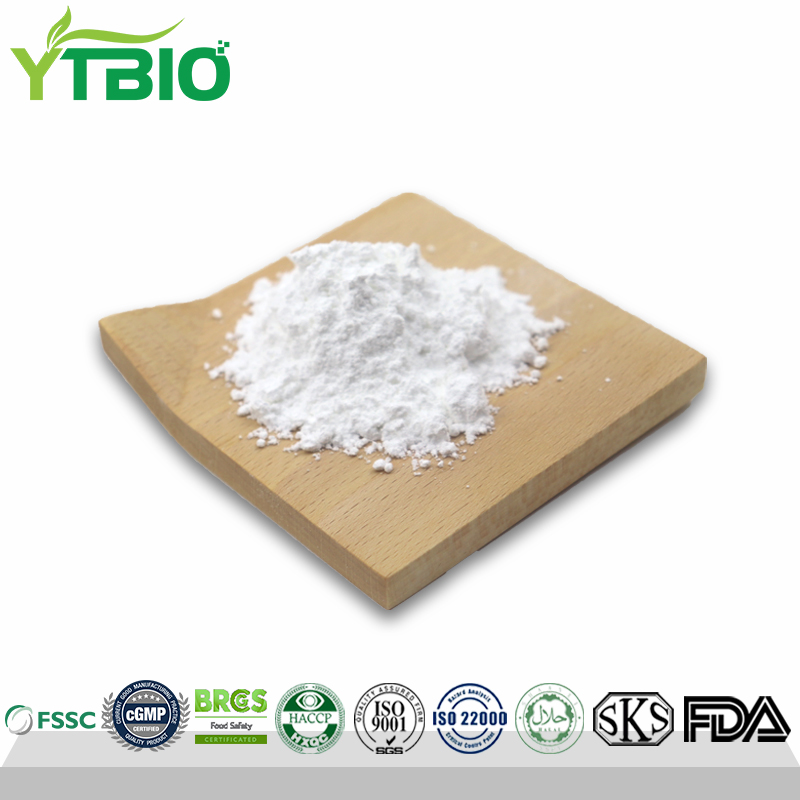
Curdlan is a water-insoluble glucan produced by microorganisms and composed of β-(1→3)-glycosidic bonds. It is a general term for polysaccharides that can form both hard and elastic, thermo-irreversible gels and thermo-reversible gels upon heating. Curdlan suspensions form colorless, tasteless, and odorless gels upon heating. Unlike conventional gelling agents, curdlan requires additional conditions besides heating to form a gel. This unique gelling property of curdlan gives it special applications in the food industry.
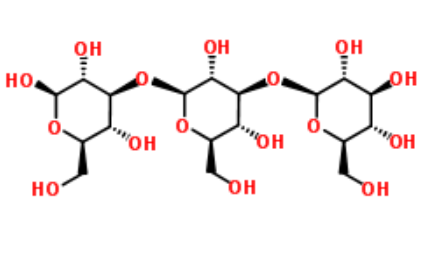
Properties of Curdlan
Curdlan gels remain stable both under freezing and thawing conditions, making them unique among other gelling agents. Yukihiro Nakao et al.'s research showed that storing polysaccharide gels at 4°C for 20 hours had no effect on gel strength. However, after freezing and thawing (-40°C) of coagulant polysaccharide, agar, and carrageenan, the gel strength of coagulant polysaccharide changed little, while the gel strengths of agar and carrageenan decreased to approximately 1/10 and 1/5, respectively. The gels also developed a spongy texture and lost water after thawing.
Coagulant polysaccharide gels have strong oil-binding properties. When a mixture of 3% coagulant polysaccharide and various concentrations of corn oil was homogenized and heated at 95°C for 10 minutes, both gel strength and dehydration rate decreased with increasing oil content. When the oil content reached 24%, the gel did not undergo oil separation during or after formation. Pressing the oil-containing gel between two plates only partially removed some of the water, leaving oil in the dried material, reaching up to 85%. This dried material then absorbed water and returned to a gel state. Furthermore, camphor-like substances such as β-pinene and linalool, as well as fat-soluble vitamins, can be incorporated into curdlan gels, which can be dried after dehydration without losing these hydrophobic substances.
Pressure-free curdlan gels can be squeezed to remove moisture, resulting in dried flakes. These flakes readily absorb water and swell to form a regenerated gel, a property that can be exploited to produce various edible flakes and instant jellies. A 15% aqueous sodium hydroxide solution containing curdlan is extruded into an acidic solvent using film-forming equipment to produce a gel-like film, which can then be dried and prepared. This film is transparent, readily swells in hot water but remains insoluble, and has a strength one-third to one-quarter that of cellulose film. Therefore, it is suitable for use as a film for various food applications.
Mechanism of Action
Three-Dimensional Moisture Retention: Polysaccharide molecules form a network structure through hydrogen bonding and other interactions, which absorbs large amounts of water and provides moisturizing and lubricating properties.
Swelling and Adhesion: The drug expands or contracts under specific conditions (such as pH changes), enhancing adhesion to the skin and mucous membranes and prolonging its duration of action.
Sustained-Release Carrier: The network structure can encapsulate drugs or active ingredients, enabling slow release, improving drug availability, and reducing irritation.
Applications of Curdlan
Food Industry
Curdlan is widely used in various areas of the food industry due to its excellent processing properties, including water retention, freeze resistance, heat resistance, adhesion, and film-forming properties. Various specialized formulations suitable for different food applications have been developed. Curdlan can be used as both a food additive and a main ingredient in food products.
1. Meat Products
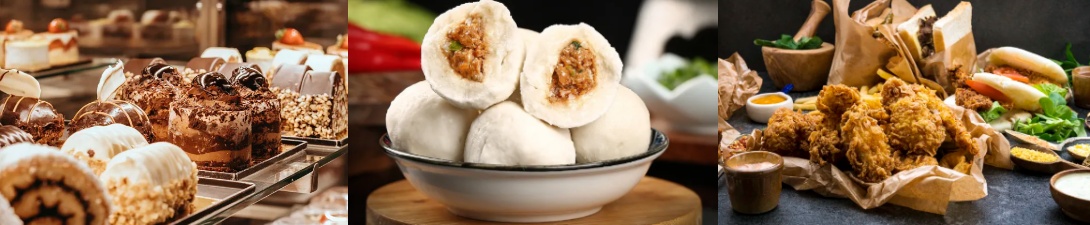
Curdlan has a maximum water absorption rate at temperatures between 50 and 60°C, making it suitable for use in meat products. In meat processing, curdlan can improve the water retention of sausages and ham. Adding 0.2-1% curdlan to hamburgers creates a soft, juicy, and high-yield burger after cooking. Furthermore, its film-forming properties can be used as a coating on the surface of hamburgers, fried chicken, and other products, minimizing weight loss during grilling and ensuring a juicier, smoother, and softer texture.
2. Noodle Products
When applied to Chinese noodles, buckwheat noodles, and sliced noodles, curdlan can enhance the hardness, elasticity, and viscosity of noodles, improving their texture, inhibiting swelling in hot water, reducing overcooking, and alleviating the risk of soup contamination.
3. Aquatic Products
Curdlan is used in aquatic products such as fish cakes, fried fish cakes, fish balls, and frozen fish mince. It enhances the elasticity and texture of these products while also increasing their firmness for easier shaping.
4. Baked Products
Taking advantage of its moisture-retaining and shape-preserving properties, curdlan can also be added to pastries such as cakes and cheesecakes. It maintains its appearance during processing and retains moisture well after processing, preventing aging and sanding even after refrigeration. Curdlan is used in flowable fillings for bread and pies, where its gelling action helps maintain its proper shape and facilitates handling.
5. Frozen Products
Curdlan is used as a stabilizer in ice cream to improve its shape retention. Curdlan works best when combined with other stabilizers.
6. Other Products
Curdlan is used in thick, difficult-to-handle flavors such as strawberry jam, honey, and mayonnaise. It can be used to create thin slices, such as strawberry, honey, and mayonnaise slices. These slices can be eaten directly as flavored snacks or used as fillings, tuck-in fillings, or as sushi rolls. Vegetables, fruits, and meat products can all be made into thin flakes using curdlan. These foods can be frozen and remain intact when heated. Curdlan, a key component in vegetarian sausages, imparts the texture, flavor, and mouthfeel of full-fat sausage. It can also replace fat in cheese products, preventing syneresis in yogurt and low-fat sour cream. The pasteurization temperature of most dairy processes is suitable for curdlan gelling. Curdlan can also be used to make green tea-flavored jelly, which can be frozen and microwaved before consumption. Curdlan contains 98.6% dietary fiber and can be used as an ingredient in functional foods such as those for low-calorie diets, weight loss, and constipation prevention, as well as in the production of health foods.
Chemical Industry
Gel columns used in the chemical industry are typically filled with dextran. Scientists have studied the use of curdlan as a filler in columns, achieving good separation results. Curdlan production for this purpose has begun abroad. The mixture prepared from coagulated polysaccharides and activated carbon can effectively remove heavy metal elements from Chinese herbal medicines, which is particularly beneficial for the development of traditional Chinese medicine.
Cosmetics Industry
When added to skincare products such as facial masks and gel-based skincare products, the gel structure formed by curdlan enhances the product's moisturizing properties, keeping the skin hydrated for a long time. Furthermore, its excellent film-forming properties create a protective film on the skin's surface, helping to lock in moisture and protect against external pollutants. It also enhances the product's smooth application and improves the user experience.