
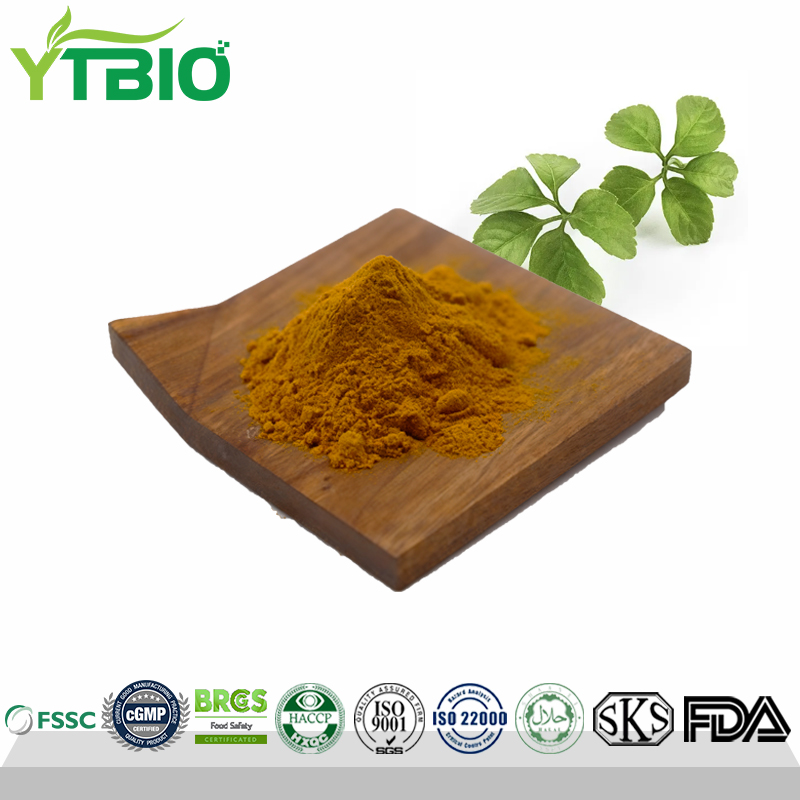
Gynostemma Pentaphyllum Extract Gypenosides
What are Gypenosides?
Gypenosides are compounds that are gotten from a South Asian plant, Gynostemma pentaphyllum, which is used as herbal medicine. Gypenosides are in a big family of chemicals referred to as tetracyclic triterpenoids that are chemically considered to be of the same class as ginsenosides present in ginseng. Currently, scientists have identified over eighty varieties of gypenoside saponin chemicals each of which has its own sugar content and how it connects to other components hence providing various health benefits.
Multiple studies have shown that gypenosides have multiple health benefits. They help regulate blood sugar and fat metabolism, protect the liver, boost immunity, and fight against the effects of free radicals and inflammation. They also have a mild neuroprotective effect. All of these biological properties of gypenosides suggest that they may be useful in the prevention of metabolic disorders, slowing down the process of aging and treatment of neurodegenerative diseases.
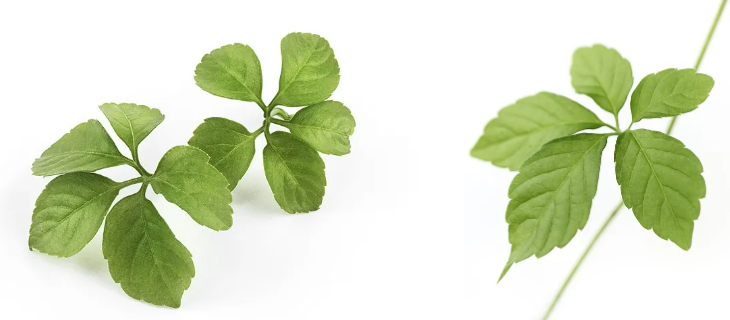
The scientific name of a five-leafed herbaceous vine is Gynostemma pentaphyllum (Thunb.) Makino. To the gourd family (Cucurbitaceae) and the genus of Gynostemma. It is also the only plant that is not of the Panax genus (ginseng family) that contains ginsenoside-like compounds. Thus it is commonly referred to as Southern Ginseng.
Core Efficacy of Gypenosides
Gypenosides exert their biological activity through multiple targets and pathways, demonstrating broad application potential in the prevention and treatment of metabolic diseases, maintenance of organ function, and overall health promotion.
1. Metabolic Regulation
Blood Sugar Regulation: By improving insulin sensitivity, inhibiting hepatic gluconeogenesis, and promoting glucose uptake and utilization by peripheral tissues, it helps maintain stable blood sugar levels.
Lipid Profile Improvement: It can regulate lipid metabolism, lowering total cholesterol, triglycerides, and low-density lipoprotein cholesterol levels, while increasing high-density lipoprotein cholesterol, contributing to cardiovascular health.
2. Multi-Organ Protective Effects
Liver Protection: By preventing fat accumulation, reducing oxidative damage, and inhibiting inflammatory responses, it improves liver cell function and provides some protection against both non-alcoholic and alcoholic liver diseases.
Neuroprotection: It has the potential to improve cognitive function and slow down nerve cell damage, possibly through antioxidant, anti-inflammatory, and neurotransmitter regulation pathways, positively impacting neurodegenerative diseases.
Cardiovascular Protection: In addition to regulating blood lipids, its antioxidant and anti-inflammatory properties help reduce vascular endothelial damage and slow down the progression of atherosclerosis.
3. Immune Regulation and Antioxidant Effects
Immune Enhancement: By activating macrophage phagocytic function, regulating lymphocyte activity, and promoting cytokine secretion, it enhances the body's overall immune response.
Antioxidant Defense: It effectively scavenges free radicals, increases the activity of antioxidant enzymes such as superoxide dismutase, and reduces oxidative stress damage to cells.
4. Systemic Function Improvement
Anti-Fatigue and Endurance Enhancement: By optimizing energy metabolism and reducing the accumulation of metabolic products after exercise, it helps alleviate physical fatigue and improve physical vitality.
Mood and Sleep Regulation: It may exert a calming effect on the central nervous system by regulating neurotransmitter balance, helping to improve sleep quality and relieve tension.
Uses of Gypenosides
Gypenosides, with their rich biological activity, have found applications ranging from human health to animal husbandry, demonstrating broad market prospects and development value.
I. Pharmaceutical and Healthcare Fields
In pharmaceutical research and clinical treatment, gypenosides have become an important research subject due to their multi-target activity. Their cardiovascular protective effects are prominent, effectively regulating blood lipids (reducing cholesterol and triglycerides), improving vascular function, and inhibiting atherosclerosis, showing potential in the prevention and treatment of coronary heart disease and hypertension. At the same time, they show significant prospects for adjuvant anti-tumor therapy, exhibiting inhibitory effects on the proliferation and induction of apoptosis in various cancer cells, including liver cancer, breast cancer, and lung cancer.
In addition, their applications in metabolic diseases and organ protection have attracted widespread attention: they can be used as an auxiliary means for diabetes management, helping to regulate blood sugar and improve insulin resistance; they show protective effects against both non-alcoholic and alcoholic liver damage, reducing fatty degeneration and promoting hepatocyte repair. Studies also show that they have positive intervention potential for neurodegenerative diseases, depression and anxiety, as well as osteoporosis and pulmonary fibrosis.
II. Health Products and Functional Foods
Based on their multiple effects, including regulating blood lipids, blood sugar, and blood pressure, enhancing immunity, and anti-fatigue, gypenosides have become a popular ingredient in health foods. Common products include capsules, tablets, oral liquids, teas, and functional beverages, suitable for daily health maintenance, physical enhancement, and auxiliary conditioning for people at risk of chronic diseases, especially middle-aged and elderly individuals.
III. Cosmetics and Personal Care
With their antioxidant, anti-inflammatory, collagen synthesis-promoting, and melanin-inhibiting biological characteristics, gypenosides are widely used in skincare products. Creams, serums, and masks containing this ingredient aim to help delay skin aging, improve skin texture, and brighten skin tone. In scalp care, they are also used in shampoos and conditioners to promote scalp health and improve hair quality. IV. Feed Additives Field
In the livestock and aquaculture industries, gypenosides are used as natural feed additives to promote the growth performance of livestock, poultry, and aquatic animals, enhance animal immunity, and improve the quality of meat, eggs, and milk, thereby increasing farming efficiency and reducing reliance on antibiotics.

Some Extraction Methods of Gypenosides
The extraction of gypenosides typically follows the principle of "like dissolves like," using appropriate solvents and cell disruption techniques to effectively release them from plant tissues. Currently, commonly used extraction methods include solvent extraction, ultrasonic-assisted extraction, enzymatic extraction, microwave-assisted extraction, supercritical fluid extraction, and ultra-high pressure extraction. Among these, supercritical CO₂ extraction and ultra-high pressure extraction technologies show significant research value and application potential.
Supercritical CO₂ extraction utilizes CO₂ in its supercritical state as a solvent, but its efficiency in extracting highly polar saponins is limited. To improve saponin yield, entrainers (such as ethanol), surfactants, or ultrasonic enhancement are often introduced. Studies have shown that ultrasonic assistance can effectively break down cell walls, reduce mass transfer resistance, and thus improve extraction efficiency. Furthermore, introducing reverse microemulsions into the supercritical system can significantly enhance the solubility of saponins, achieving extraction rates several times higher than traditional ethanol/water/supercritical CO₂ systems. Sample preparation before extraction, such as particle size control, packing density, and pH adjustment, also affects the dissolution rate and structural stability of saponins.
Ultra-high pressure extraction accelerates the penetration and dissolution of solvents into cells under high pressure conditions, achieving efficient and rapid extraction. This technology is particularly suitable for the extraction of heat-sensitive components because it operates at room temperature, maximizing the preservation of the natural structure of active ingredients and avoiding degradation or inactivation caused by thermal effects. The high-pressure environment also inhibits microbial activity, contributing to product preservation. Studies show that appropriate pressure can both promote saponin dissolution and inactivate enzyme activity by altering enzyme structure, thereby controlling impurity dissolution and reducing the burden of subsequent purification. Combining ultra-high pressure with enzymatic methods can leverage the dual advantages of enzymatic catalysis and high-pressure cell disruption, further improving extraction efficiency.
