Lately, there's been a real bump in popularity for Conjugated Linoleic Acid Powderwithin the health and fitness circles. I mean, even Dr. Emily Carter from NutriHealth Labs mentioned that "Conjugated Linoleic Acid Powder can offer some pretty remarkable benefits when it comes to managing weight." It’s a natural compound, actually derived from some plant sources, and folks say it might boost your metabolism and help burn fat more effectively.
You see more and more people turning to it, especially those who are keen on natural ways to stay healthy and hit their fitness goals. Many athletes swear by it for improving body composition. But, gotta remember, not all products are the same—market’s kinda flooded, and quality can really vary. So, it’s always smart to go for trusted brands instead of just grabbing the first thing you see.
And while plenty of testimonials talk about how well it works, results definitely aren’t guaranteed for everyone. Things like your diet, exercise routine, and even genetics play a role. So, it’s a good idea to think carefully about using supplements like this. Chatting with health pros can really help set realistic expectations and guide you on the best approach. Ultimately, managing what you hope to get out of it with what’s actually possible—that’s key to making this a successful part of your health journey.

What is Conjugated Linoleic Acid Powder?
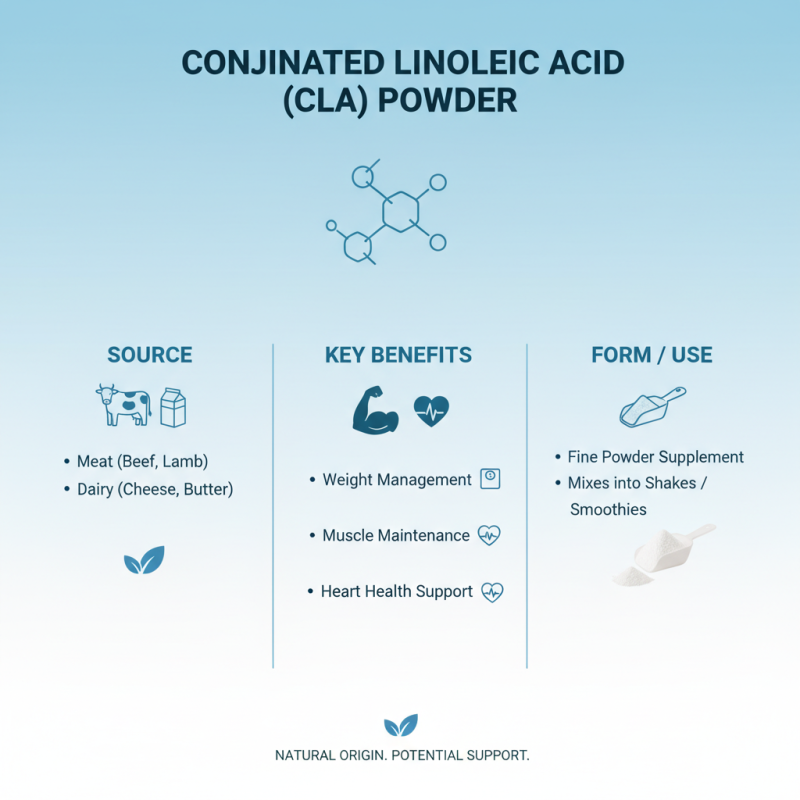
Conjugated Linoleic Acid (CLA) powder is a popular dietary supplement. It is derived from natural sources like meat and dairy. CLA is known for its potential health benefits. Many people are interested in this supplement for various reasons.
One primary benefit of Conjugated Linoleic Acid is its role in weight management. Studies suggest it may help reduce body fat. This reduction can lead to improved body composition. However, results vary between individuals. Some might not notice significant changes. It’s crucial to maintain realistic expectations.
Tips: Consider combining CLA supplementation with a balanced diet. Exercise can enhance the effectiveness. Monitor how your body responds to it, and adjust your intake accordinGly. Every individual’s response to Conjugated Linoleic Acid can differ. It is essential to remain aware of your body’s signals.
Another intriguing aspect of CLA is its potential to support immune function. Some research indicates that it may have anti-inflammatory properties. This can be beneficial for overall health. Yet, more studies are needed for conclusive results. Always consult with a healthcare professional before starting any new supplement regimen. Listen to your body and reflect on your experiences with it.
The Chemical Composition of Conjugated Linoleic Acid
Conjugated Linoleic Acid (CLA) is a naturally occurring fatty acid. Its chemical structure features two conjugated double bonds, which differentiate it from regular linoleic acid. This unique arrangement is crucial because it influences how the body metabolizes fat. Studies suggest that CLA may serve various health benefits.
Research indicates that CLA can help reduce body fat. A study showed that participants who consumed CLA lost about 9% more body fat than those who didn’t. This is significant. Additionally, CLA has been linked to improved muscle retention during weight loss. In a controlled environment, subjects demonstrated an increase in lean body mass.
However, not all findings endorse the same view. Some studies found no significant effects on weight loss. This inconsistency highlights the complexity of fatty acids in our diets. Personal responses to CLA may vary widely. While many seek to harness CLA's potential, it is vital to approach supplementation thoughtfully. Each individual’s health journey is unique, and what works for one may not work for another.
Health Benefits Associated with Conjugated Linoleic Acid Powder
Conjugated Linoleic Acid (CLA) powder offers several health benefits that are gaining attention. This unique fatty acid can play a role in reducing body fat. Some studies suggest that CLA may help in improving body composition when combined with exercise. However, the results can vary between individuals, and not everyone may experience the same outcomes.
Beyond weight management, CLA may also support heart health. Research indicates it can help lower cholesterol levels and improve blood sugar regulation. These effects may contribute to overall cardiovascular wellness. However, the mechanisms are not fully understood, and results can be inconsistent. More research is needed to establish clear guidelines.
Additionally, some people report enhanced immune function with regular CLA supplementation. It may help the body respond better to infections. Yet, the connection isn't definitive, and individuals should note their experiences carefully. Recognizing how each person reacts to Linoleic Acid can lead to valuable insights. Understanding these nuances is crucial for anyone considering its use.
Conjugated Linoleic Acid and Weight Management
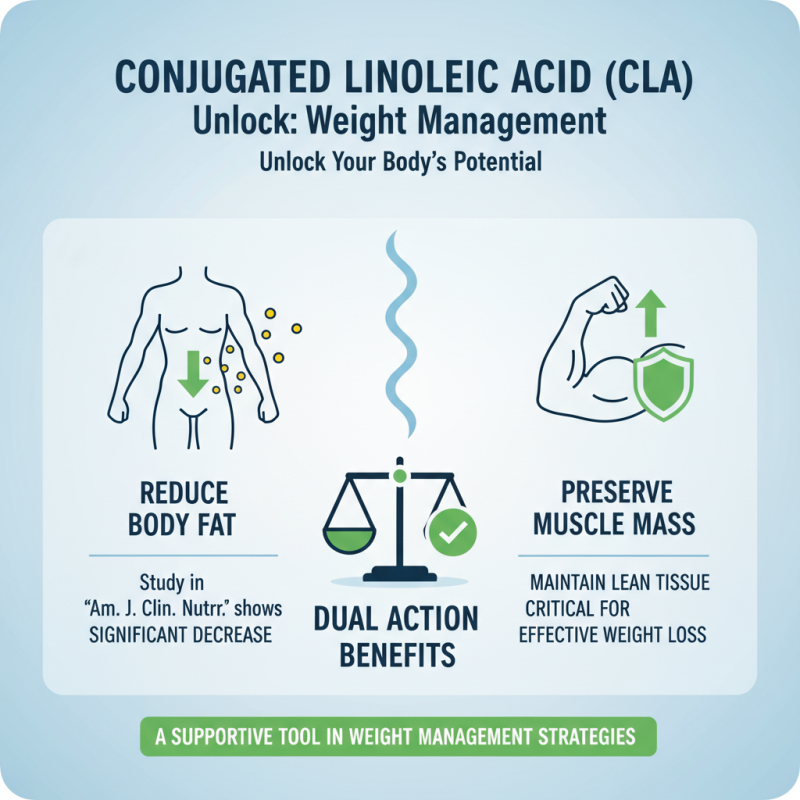
Conjugated Linoleic Acid (CLA) has gained attention for its potential benefits in weight management. According to a study published in the American Journal of Clinical Nutrition, CLA may help reduce body fat levels while preserving muscle mass. This dual action is critical for effective weight loss. In a controlled trial, participants taking CLA showed a significant decrease in body fat compared to the placebo group. The results highlighted that CLA could be a supportive tool in weight management strategies.
Research suggests that combining CLA with regular exercise and a balanced diet may enhance its effects. The Journal of Nutrition indicates that those who incorporated CLA into their regimen experienced more pronounced fat loss. However, results may vary from person to person. Some users report minimal benefits, leading to questions about individual responses to CLA supplements. The variability points to the need for a personalized approach to weight management.
While CLA shows promise, it is essential to approach its use with realistic expectations. Some studies illustrate limited effects, prompting reflections on dosage and the importance of scientific validation. This highlights the need for ongoing research to understand how CLA fits into the broader weight management landscape. As individuals explore options, a thoughtful consideration of CLA's role is vital in a holistic approach to health.
Potential Effects on Muscle Growth and Athletic Performance
Conjugated Linoleic Acid (CLA) powder has gained attention for its potential benefits in muscle growth and athletic performance. Studies indicate that CLA may help reduce body fat while preserving lean muscle mass. This is crucial for athletes, as maintaining muscle without gaining fat can enhance overall performance. Research published in the Journal of Nutrition showed a noteworthy increase in muscle mass among those supplementing with CLA.
In a controlled trial, participants using CLA powder along with strength training observed a 23% greater increase in muscle size compared to a placebo. This suggests that CLA might play a vital role in optimizing strength training outcomes. It is often discussed alongside other supplements, like Docosahexaenoic Acid Powder, which supports overall health and recovery.
While promising, the effects of CLA are not uniform across all individuals. Some users report minimal changes, indicating a need for further research to pinpoint the best candidates for supplementation. The variance in response could stem from lifestyle factors, diet, or genetic predispositions. Therefore, while CLA has potential, assessments should be personal and reflective, allowing for adjustments based on individual results and experiences in a fitness regimen.
Dosage Recommendations for Conjugated Linoleic Acid Powder
When considering conjugated linoleic acid (CLA) powder, dosage is crucial for effectiveness. Typical recommended doses range from 3 to 6 grams per day. Some people may find 3 grams sufficient, while others might require more. It’s wise to consult a health professional before starting any new supplement. Individual needs can vary greatly.
Taking CLA powder consistently can yield better results. For best absorption, use it with meals. Spread your intake throughout the day. This approach maximizes its potential benefits. However, not everyone reacts the same way. Some may experience gastrointestinal discomfort. Being mindful of how your body responds is important.
Maintaining a balanced diet alongside supplementation is essential. Relying solely on CLA for fat loss isn't ideal. Results may not meet expectations without proper nutrition and physical activity. Consider your overall health and wellness goals. Reflect on your choices. Adjustments may be necessary as you learn what works for you.
Safety and Side Effects of Conjugated Linoleic Acid Use
Conjugated Linoleic Acid (CLA) is popular among health enthusiasts. While many seek its benefits, safety must come first. Recent studies indicate that most people tolerate CLA well. However, some may experience side effects. Common reports include stomach upset, diarrhea, and fatigue. These symptoms often occur with higher doses.
Research shows that CLA may impact insulin sensitivity. A study published in the American Journal of Clinical Nutrition noted that some participants experienced adverse effects on glucose metabolism. This aspect raises concern for those with diabetes. Another study suggested possible liver stress with prolonged use. Monitoring liver function may be wise for users.
Considering these factors is crucial. While CLA can aid fat loss and body composition, it isn't risk-free. Users should start with lower doses to gauge tolerance. Supplements like Lipoic Acid Powder can provide balanced support while minimizing risks. Listening to one's body is essential when integrating these compounds into a regimen.
Unlocking the Power of Natural Astaxanthin: Market Insights and Benefits of Haematococcus pluvialis Extract for Health and Wellness
Astaxanthin, a powerful carotenoid derived from the microalga Haematococcus pluvialis, is gaining recognition for its remarkable health benefits. This natural antioxidant is celebrated for its potential to support skin health, eye health, and immune function. With the increasing demand for natural and effective wellness solutions, astaxanthin has emerged as a key ingredient in dietary supplements and functional foods. Its ability to combat oxidative stress and inflammation makes it a valuable addition to any health regimen.
The microencapsulated powder form of astaxanthin offers enhanced bioavailability and stability, making it an attractive choice for manufacturers. Available in concentrations of 2%, 5%, and 10%, this water-soluble astaxanthin microcapsule powder (CAS: 472-61-7) presents versatility for various applications. The detection of astaxanthin through HPLC ensures quality and purity, affirming its identity. With a molecular formula of C40H52O4 and a high molecular weight of 596.85, this potent compound is rigorously processed and adheres to multiple certifications, including HACCP, HALAL, KOSHER, ISO9001, ISO22000, and FDA standards, ensuring that consumers receive a product of the highest integrity.
Rapid shipping within one to three days and robust inventory levels further support the accessibility of astaxanthin for businesses looking to enhance their product offerings. By incorporating this natural extract into health and wellness solutions, companies can provide their customers with the benefits of astaxanthin and the power it holds for promoting overall health.
FAQS
: The article aims to provide insights and information on a specific topic. It explores various perspectives while remaining informative.
The article targets individuals interested in learning more about the topic. It caters to both newcomers and those with some knowledge.
Readers can implement the insights in daily life or professional situations. Practical examples are often highlighted for better understanding.
Yes, the article may not cover every aspect. Some viewpoints could be oversimplified or lack depth. Reflecting on these gaps is vital.
The article includes specific examples, data, and anecdotes. These details make the information more relatable and easier to digest.
Complex ideas are broken down into simpler parts. Clear language and visuals support understanding, but some concepts may still be unclear.
Yes, the article encourages readers to think critically. It invites them to explore further and engage with the subject matter actively.
The information could become dated over time. Readers should seek updated sources for the latest insights and trends on the topic.
Readers are encouraged to reflect on their perspectives. Open discussions and further research can enrich understanding and offer new viewpoints.
While it offers suggestions, solutions may not be clear-cut. Readers might find some ideas challenging to implement due to personal circumstances.
Conclusion
Conjugated Linoleic Acid Powder (CLA) is a naturally occurring fatty acid found in meat and dairy products, known for its potential health benefits. It comprises various isomers of linoleic acid, which are believed to play a role in weight management and improving body composition. Research suggests that CLA may aid in reducing body fat while preserving lean muscle mass, making it popular among those seeking to enhance athletic performance and support muscle growth.
When considering Conjugated Linoleic Acid Powder, appropriate dosage and safety are crucial. Most studies recommend a daily intake of 3 to 6 grams, but it's essential to consult healthcare professionals before starting supplementation. While generally recognized as safe, some individuals may experience mild side effects, emphasizing the importance of monitoring usage. Overall, CLA is a promising supplement for those looking to improve their body composition and performance.